One of the most important New Year traditions in Japan is Hatsumode — the first visit to a shrine or temple of the year. During the first days of January, millions of Japanese people visit temples and shrines to pray for health, happiness, safety, and success in the coming year.
Hatsumode is usually done between January 1st and January 7th, although some people visit as late as January 15th. The busiest period is the first three days of the year, known as Sanganichi (January 1–3). Because it gets incredibly crowded, I usually visit after January 4th when the atmosphere becomes a little more relaxed and enjoyable.
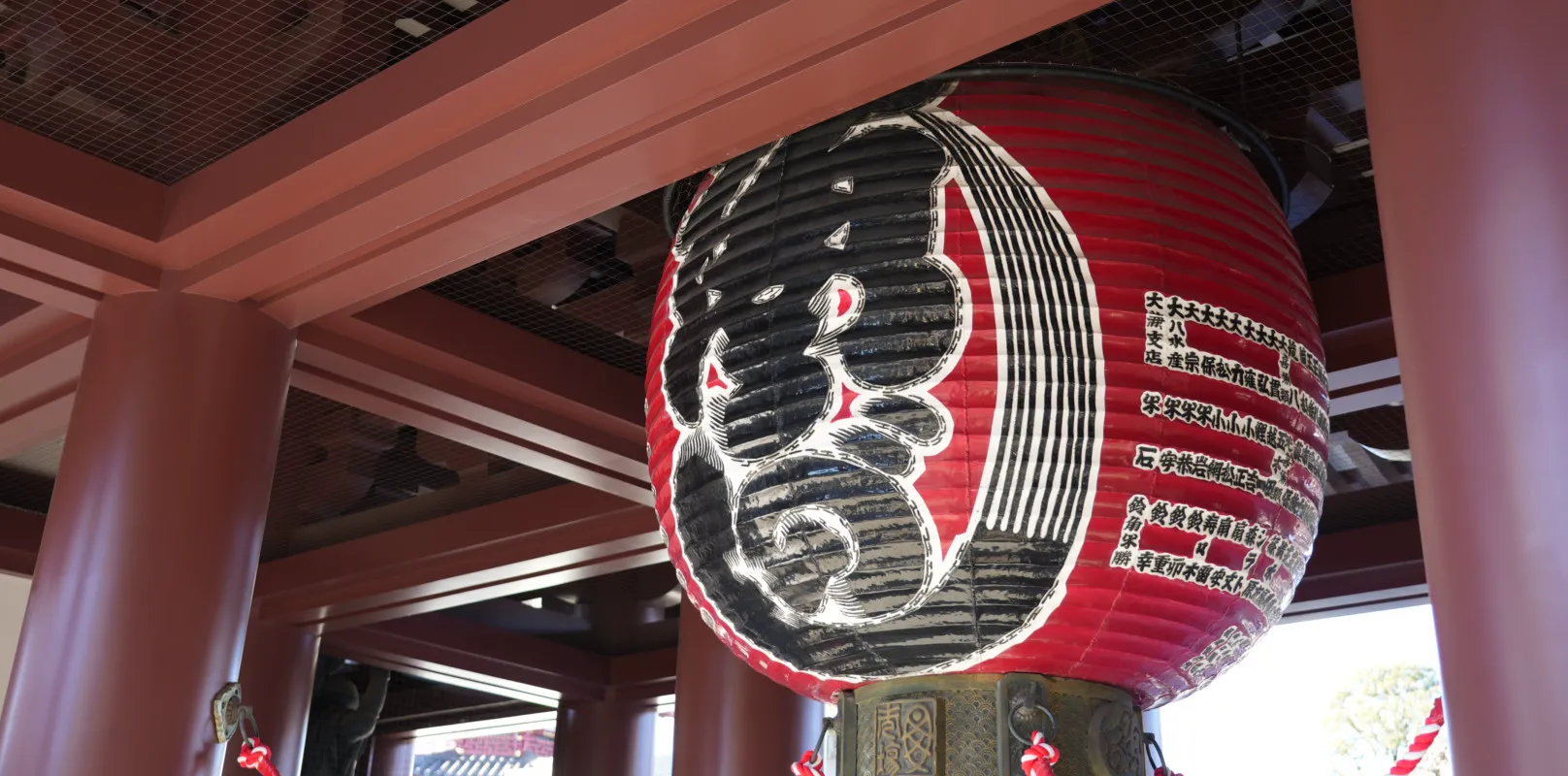
Every year, I visit Kawasaki Daishi, one of the most famous Buddhist temples in Japan. Located in Kanagawa Prefecture near Tokyo and Yokohama, the temple is especially well known for yakuyoke — protection against bad luck and misfortune.
What Is Yakuyoke?
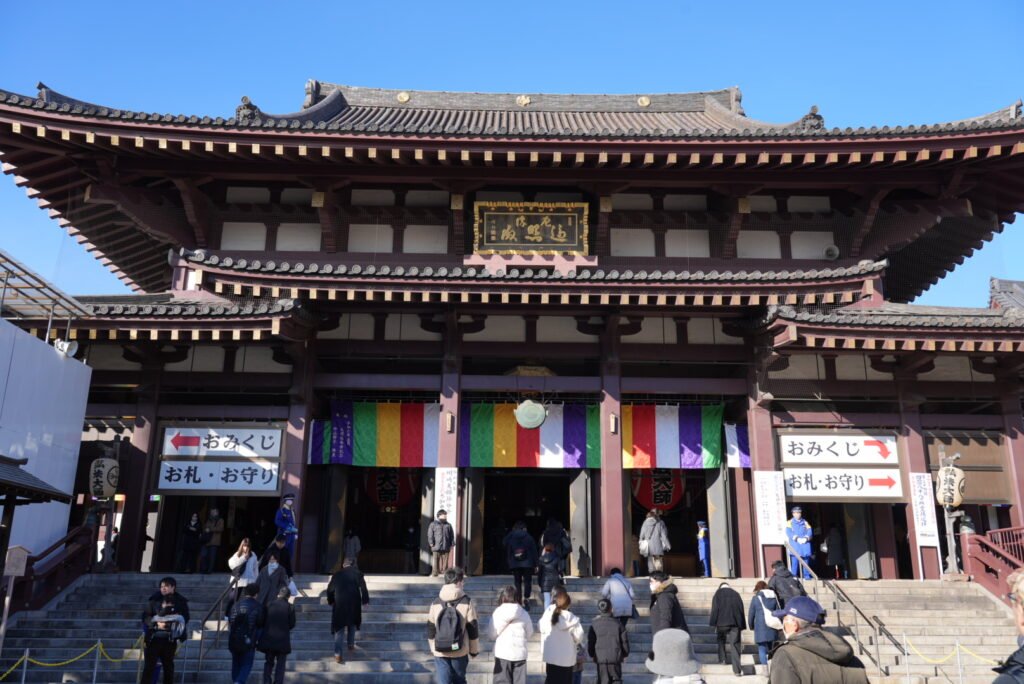
In Japan, there is a traditional belief called Yakudoshi, which refers to certain ages believed to bring bad luck or difficulties. During these years, many people visit temples or shrines to receive prayers and blessings for protection, health, and safety. This practice is called Yakuyoke.
Because of its long history as a temple for Yakuyoke prayers, Kawasaki Daishi attracts huge numbers of visitors every New Year. People come to pray not only for protection from bad luck, but also for family safety, good health, business success, and a peaceful year ahead.
Even if you are not religious, visiting during the New Year season is a wonderful way to experience Japanese culture and local traditions.
Walking Through Nakamise Street
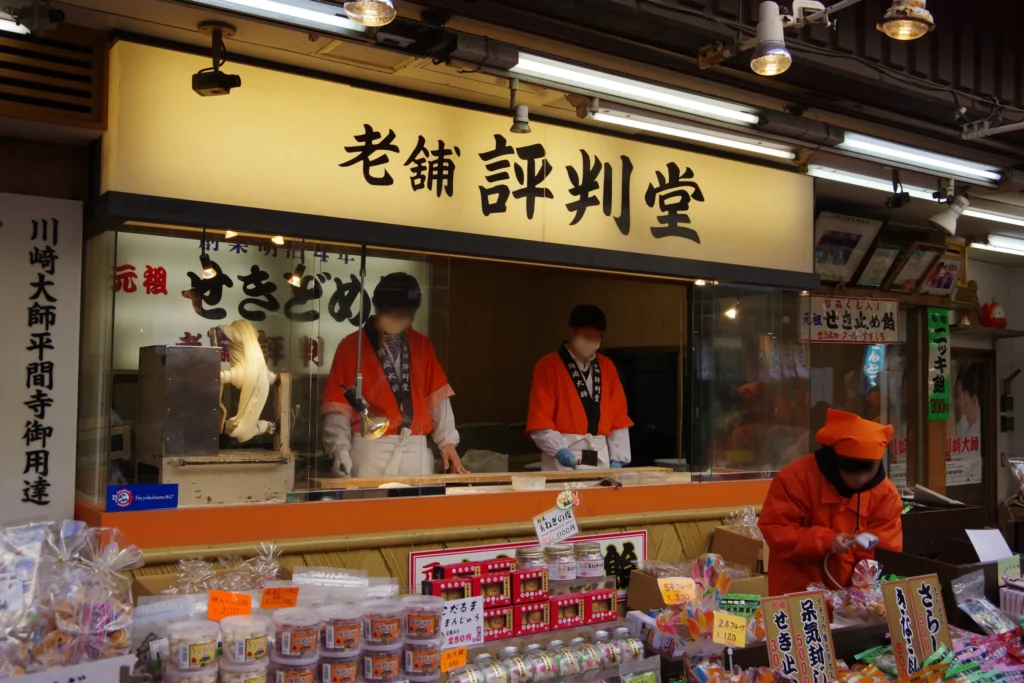
One of my favorite parts of visiting Kawasaki Daishi is exploring Nakamise Street after the temple visit.
This traditional shopping street leading to the temple is lined with small local shops selling Japanese snacks, rice crackers, lucky charms, daruma dolls, and souvenirs. The atmosphere feels nostalgic and very local — especially during the New Year holidays.
The most famous local specialty is Tontoko Ame, a traditional candy from Kawasaki Daishi. Shop workers rhythmically cut the candy with large knives while making a distinctive “ton-ton” sound. The performance itself has become one of the highlights of Nakamise Street. The sharp, rhythmic sound echoing through the street almost feels like music, and it gives visitors a chance to experience Japanese craftsmanship up close.
Experience a More Local Side of Japan
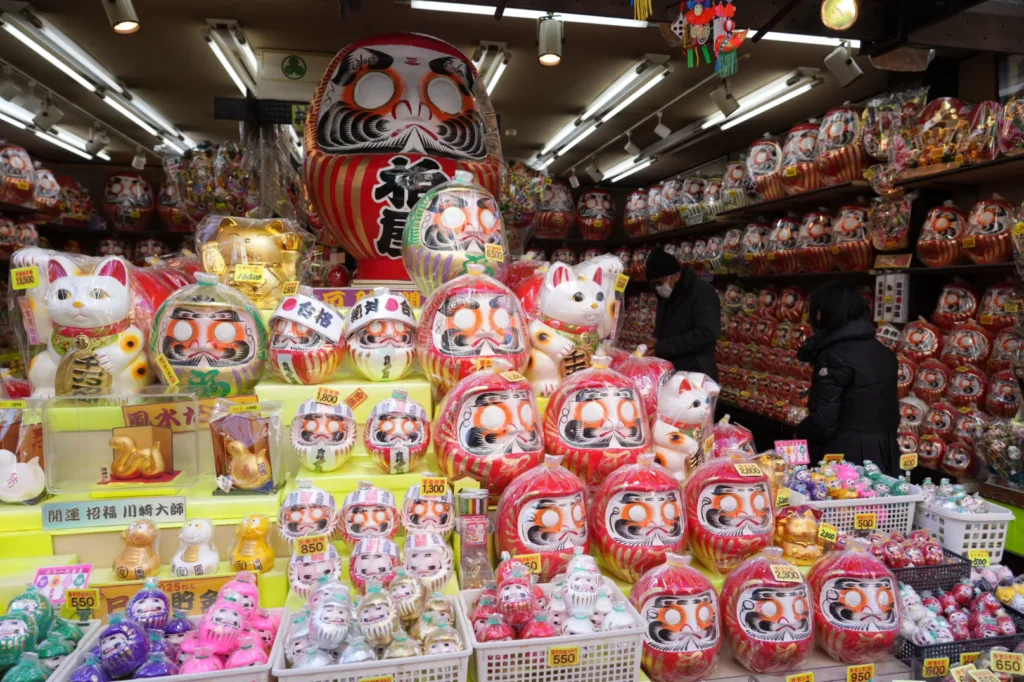
Famous tourist spots are fun, but seasonal traditions like Hatsumode offer a deeper look into everyday Japanese culture.
If you visit Japan during winter, I highly recommend stopping by Kawasaki Daishi to experience the atmosphere of a traditional Japanese New Year for yourself.